
A Beacon in the Dark
I’ll never forget the night I let little Emma, a wide-eyed six-year-old, press the button on my green laser pointer for the first time. As the beam shot upward to touch Polaris, she gasped, “I caught a star!” Her giggles echoed through the quiet field, blending with the crickets’ song. In that moment, the vast, intimidating cosmos became her playground.
Beyond the laughter, that little green beam has created magical moments. Like when I helped a six-year-old “catch” a star by letting her press the laser button, or when we used it to guide lost hikers back to camp. There’s something profoundly connecting about sharing the cosmos with others, one laser-pointed star at a time.
As I pack my laser pointer for tonight’s meteor shower watch, I smile thinking about all the memories it’s helped create. It’s not just an astronomy tool – it’s a conversation starter, a laughter generator, and sometimes, when we’re lucky, a way to make the universe feel just a little bit smaller and friendlier.
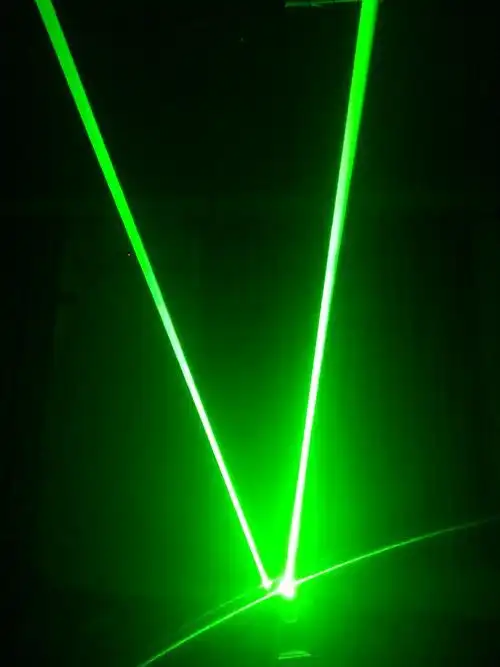
There’s something magical about standing under a starry sky with a laser pointer in hand. What began as a simple astronomy tool has become so much more—a bringer of joy, a creator of connections, and sometimes, a tiny beacon of hope in the dark.
Then there was the time our laser became an impromptu rescue tool. Two lost hikers, their flashlight batteries dead, spotted our green beam slicing through the trees from a ridge. Following it like a celestial breadcrumb trail, they stumbled into our camp, equal parts relieved and amazed. “Your laser was the only thing visible for miles,” one admitted. That tiny light had bridged the gap between strangers in the wilderness.
Recent Comments