
Innovations and Applications of Laser Pointers in Medical Therapy
Laser technology has revolutionized modern medicine, offering minimally invasive solutions for diagnostics, surgery, and therapeutic interventions. While high-power medical lasers are well-established tools in fields like dermatology and ophthalmology, low-power laser pointers—originally designed for presentations—are increasingly finding niche applications in healthcare. This article explores the innovative uses of laser pointers in medical therapy, their mechanisms of action, and the challenges associated with their adoption.
Current Medical Applications
Photobiomodulation (Low-Level Light Therapy),Dermatology, Ophthalmology (Diagnostic Use) ,Mental Health and Addiction.
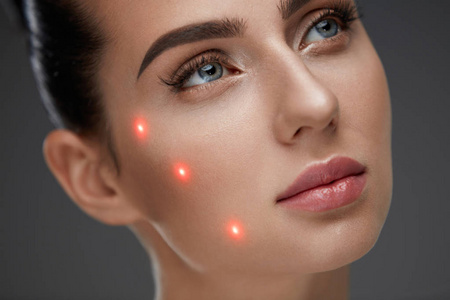
Low-power laser pointers are used in photobiomodulation (PBM), a non-thermal process where specific wavelengths stimulate cellular activity. Applications include:
Wound Healing: Red light (630–660nm) enhances mitochondrial ATP production, accelerating tissue repair in diabetic ulcers or burns.
Pain Management: Near-infrared (808nm) reduces inflammation in musculoskeletal disorders (e.g., arthritis, tendonitis).
Neurological Recovery: Emerging studies suggest PBM may mitigate neurodegeneration in Alzheimer’s or Parkinson’s disease by reducing oxidative stress.
Advantages of Laser Pointers in Medicine
Cost-Effectiveness, Portability, Safety.
Future Directions
Oncology: Research explores laser pointers in **photodynamic therapy (PDT)**, activating photosensitizers to destroy cancer cells.
Neurostimulation: Preclinical trials investigate transcranial laser therapy for depression.
AI Integration: Pairing laser systems with AI-driven diagnostics for personalized treatment protocols.
While laser pointers are not a replacement for high-power medical lasers, their adaptability and low-risk profile make them valuable tools in niche therapeutic areas. Collaborative efforts among engineers, clinicians, and regulators are essential to unlock their full potential while ensuring patient safety. As research advances, these humble devices may play an increasingly prominent role in democratizing access to cutting-edge medical care.
Recent Comments