
Laser: The Fastest Knife
Imagine a knife so precise that it can perform surgery on a single human cell, and so powerful that it can cut through inches of solid steel. This is not science fiction; it is the reality of the laser, a groundbreaking invention that has earned the title of “the fastest knife.”
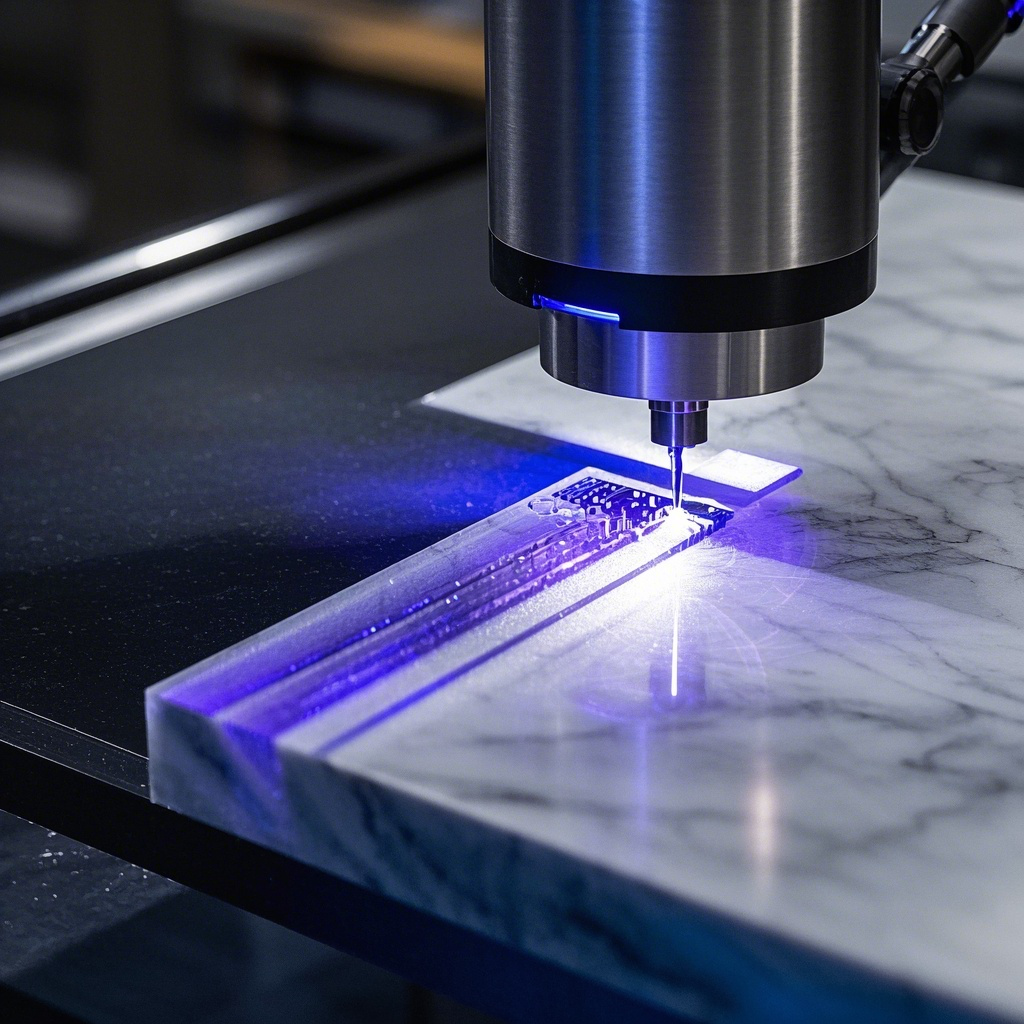
The incredible speed of the laser stems from its fundamental nature. The word “laser” itself is an acronym for “Light Amplification by Stimulated Emission of Radiation.” Unlike ordinary light, which scatters in all directions, laser light is coherent, meaning all its waves march in perfect unison. This allows it to be focused into an extremely concentrated beam of immense power, delivering energy to a tiny point with unimaginable speed. In the blink of an eye, this energy can vaporize material, effectively “cutting” at the speed of light itself. This makes it the undisputed champion of speed and precision in the world of manufacturing and medicine.
However, like any powerful tool, the laser knife demands profound respect and responsibility. Its ability to cut through almost anything also makes it potentially dangerous. A momentary lapse in safety protocols can lead to severe injuries or ignite fires. Furthermore, its very precision could be misused, raising ethical questions about its applications. The same technology that saves a life in an operating room must be guarded from falling into the wrong hands.
In conclusion, the laser truly is the fastest and one of the most precise “knives” humanity has ever forged. It is a brilliant testament to human ingenuity, pushing the boundaries of what is possible in science and industry. Yet, its story reminds us that with great power comes great responsibility. Our challenge is to wield this swiftest of blades with wisdom, ensuring that it continues to be a tool that heals, builds, and enlightens, rather than harms.
Recent Comments